It is about balance
Not about eliminating everything, but about realizing that our body and skin have never been under as much strain as they are today.
We believe that truly clean skincare should feel like a refuge. A place where the body rests from excess.
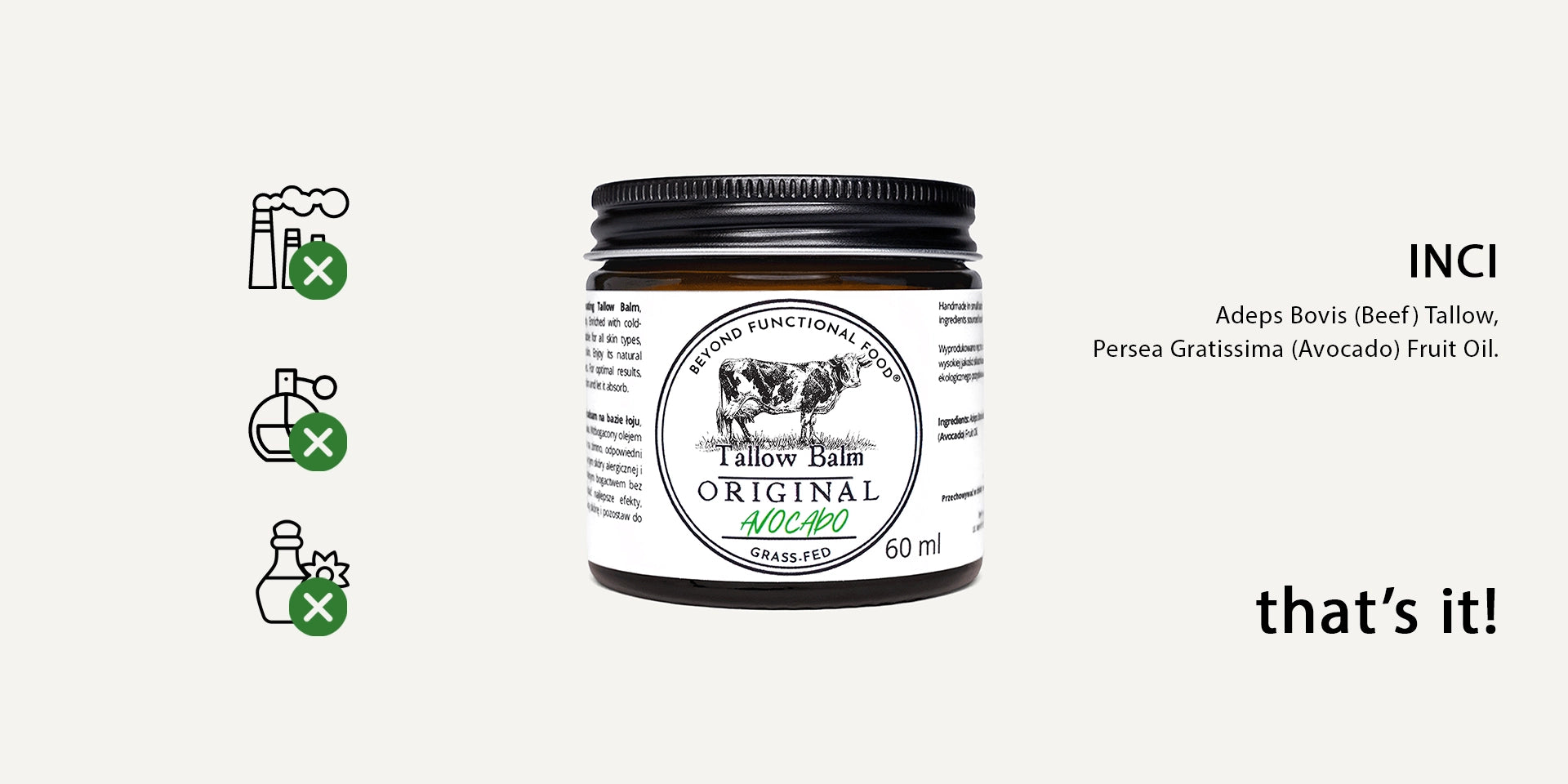
That is why we start with the essentials. With the most biocompatible, simple and fully natural ingredients, the kind your skin recognizes and can turn into clean energy for recovery.
The difference starts with what is inside
where less truly means more
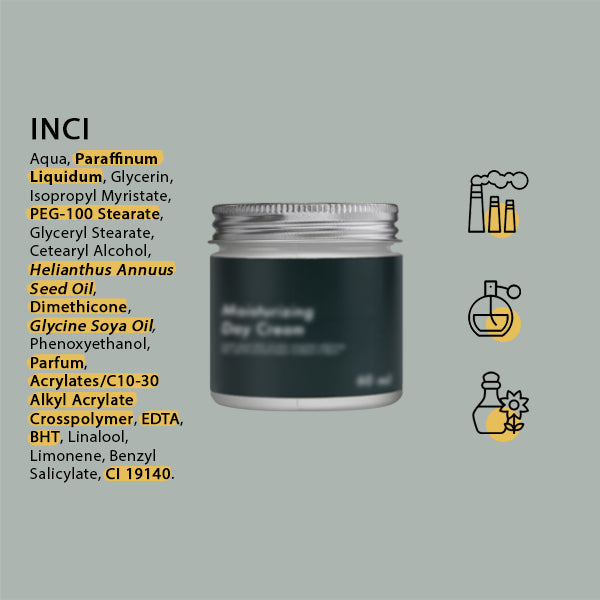
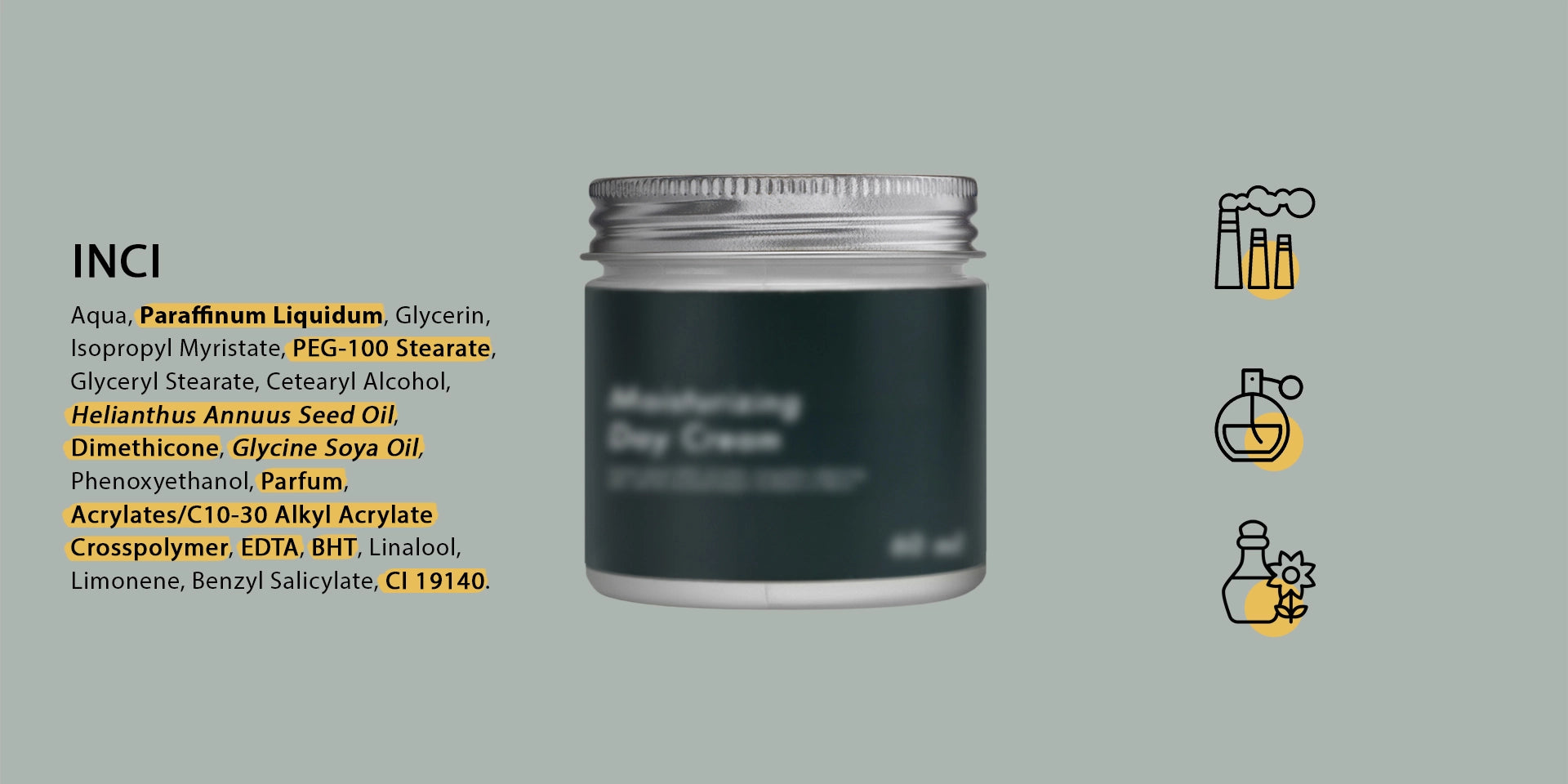
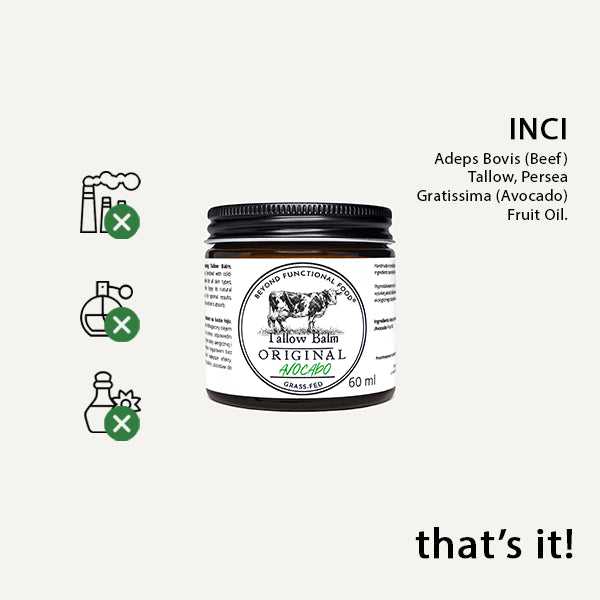
Clean goes beyond the ingredient list
It also means looking at where each ingredient comes from, how the recipe is built, how thoughtfully the product is made and what is left behind once it is used up.
For us, clean beauty is more than a marketing phrase. It is responsibility at every stage.
-

Skin in balance
Products that support the skin's natural balance instead of overloading it
-

Responsible sourcing
Producers chosen for the highest quality and full transparency of their raw materials
-

Craftmanship
Traditional methods that preserve what matters most in every ingredient
-

A lighter footprint
Materials that can be recycled or reused




-
 Baby & Belly OilBaby & Belly Oil
- Regular price
-
€32,95 EUR - Regular price
-
- Sale price
-
€32,95 EUR
Quick view
-
 ORIGINAL Tallow & Honey Balm VanillaORIGINAL Tallow & Honey Balm Vanilla
- Regular price
-
€15,95 EUR - Regular price
-
- Sale price
-
€15,95 EUR
Quick view
-
 Lye & Tallow SoapLye & Tallow Soap
- Regular price
-
€7,50 EUR - Regular price
-
- Sale price
-
€7,50 EUR
Quick view
-
 Tallow Deodorant Black CuminTallow Deodorant Black Cumin
- Regular price
-
€13,95 EUR - Regular price
-
- Sale price
-
€13,95 EUR
Quick view


Let customers speak for us
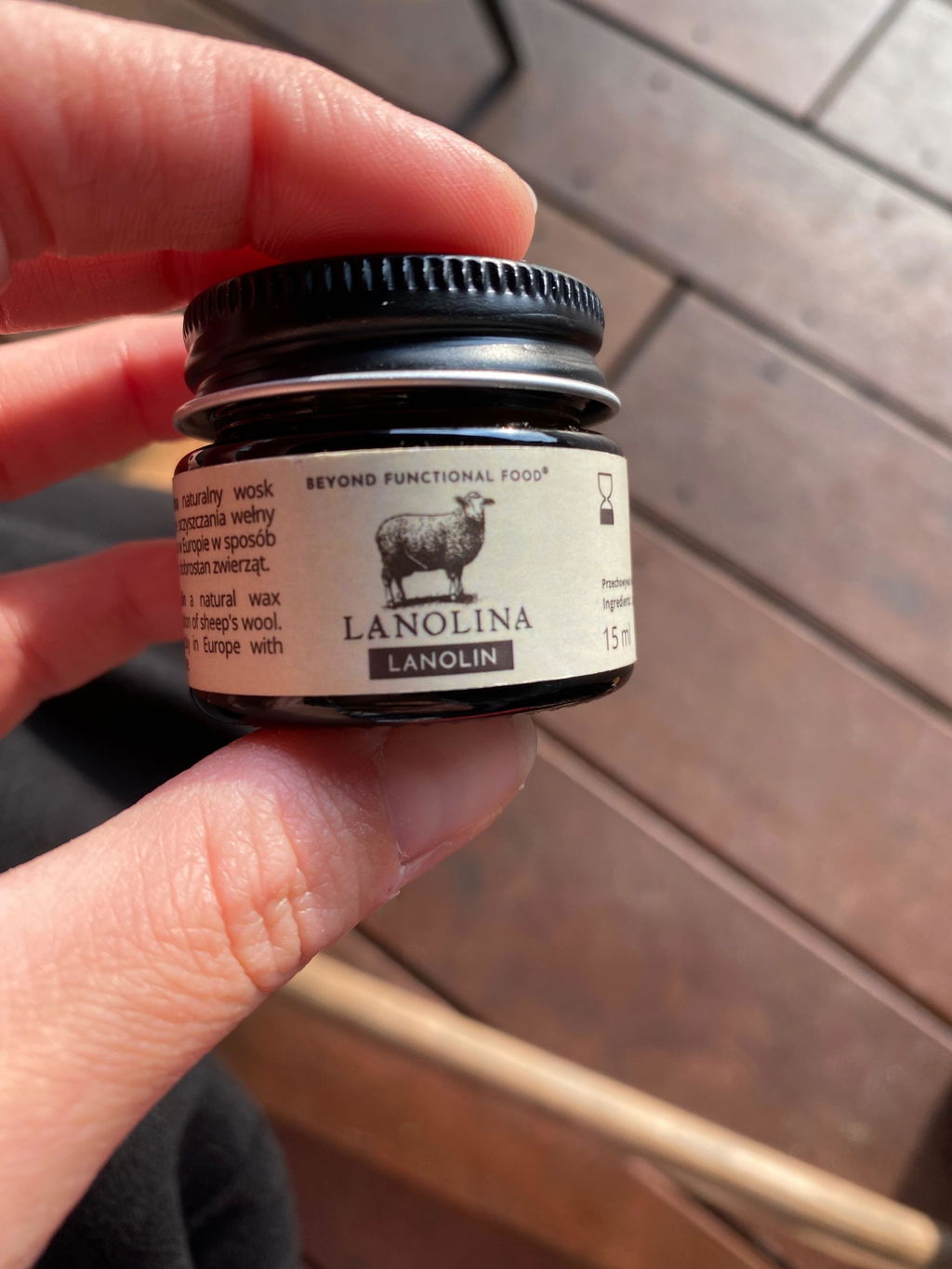
Nie spodziewałam się, że produkt ten tak pozytywnie mnie zaskoczy. Jest plasterkiem na popękane usta i suche skórki.
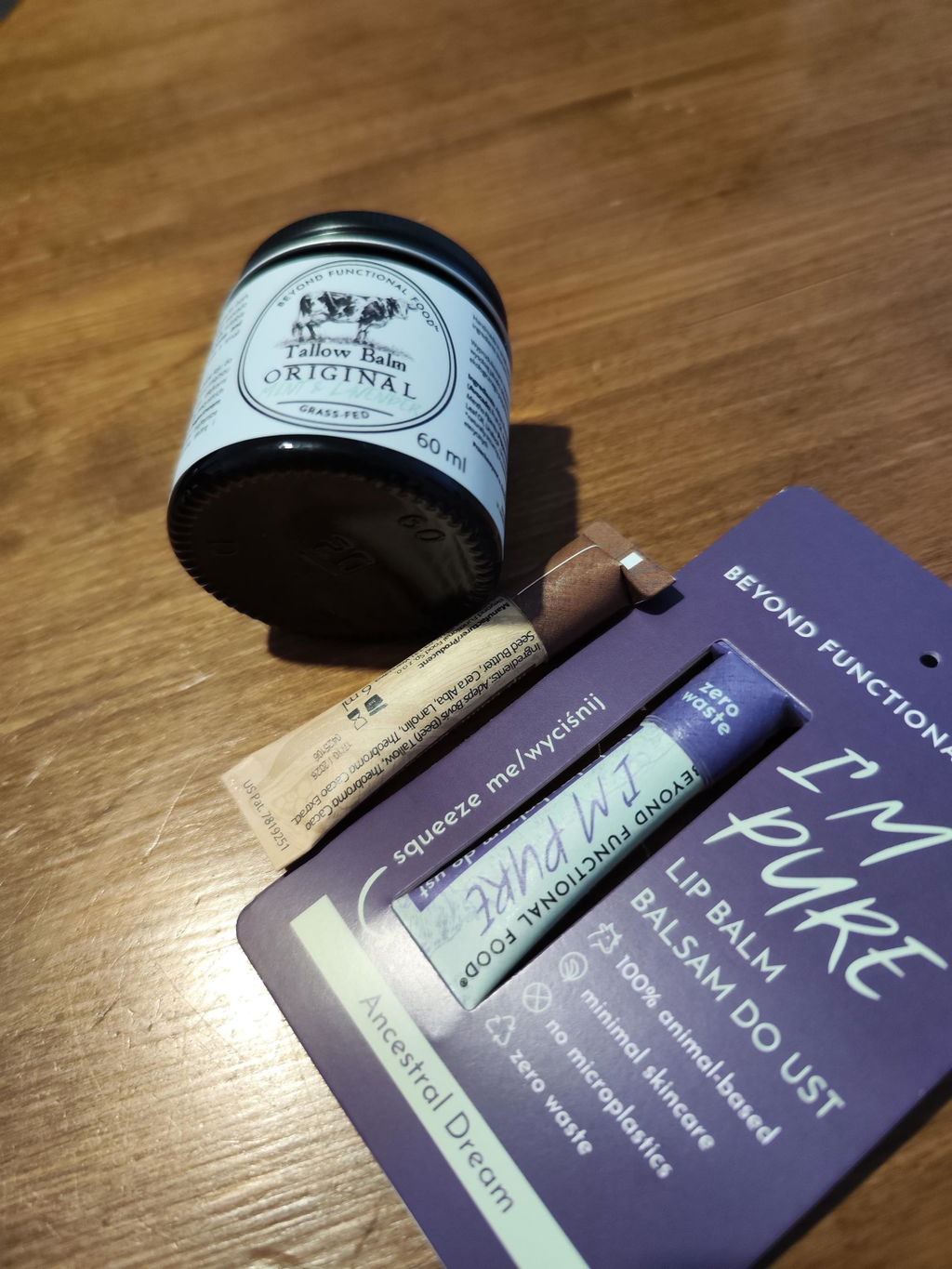
This tallow balm is a great product. It moisturizes very well and the scent is fresh. The seller sent a small gift which was so kindly done. I will be purchasing more in the future.
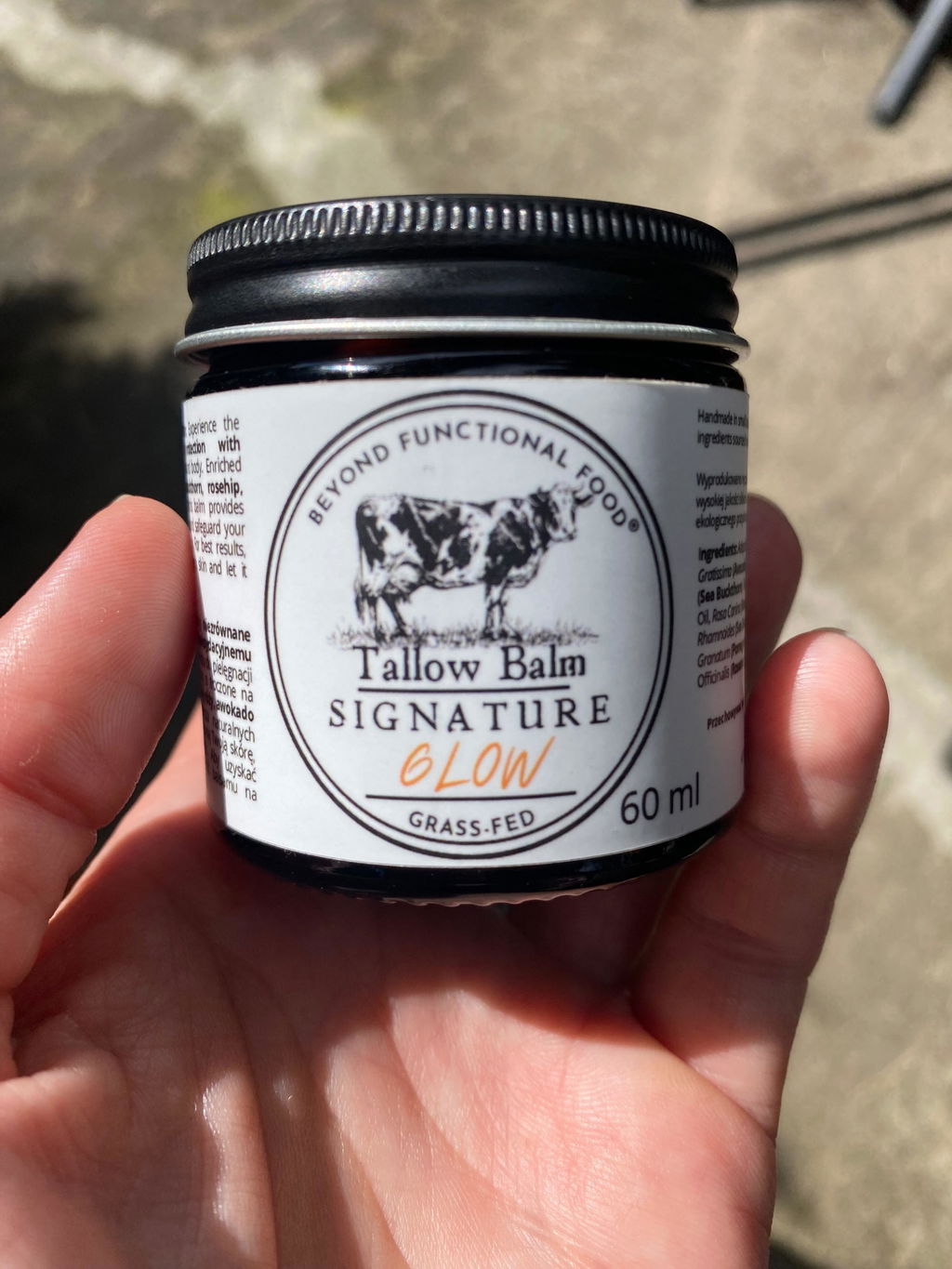
Krem zakupiłam dla mamy na prezent i okazał się najlepszym produktem pielęgnacyjnym ✨ Mama bardzo zadowolona, poprosiła o kolejny zakup 😁✨
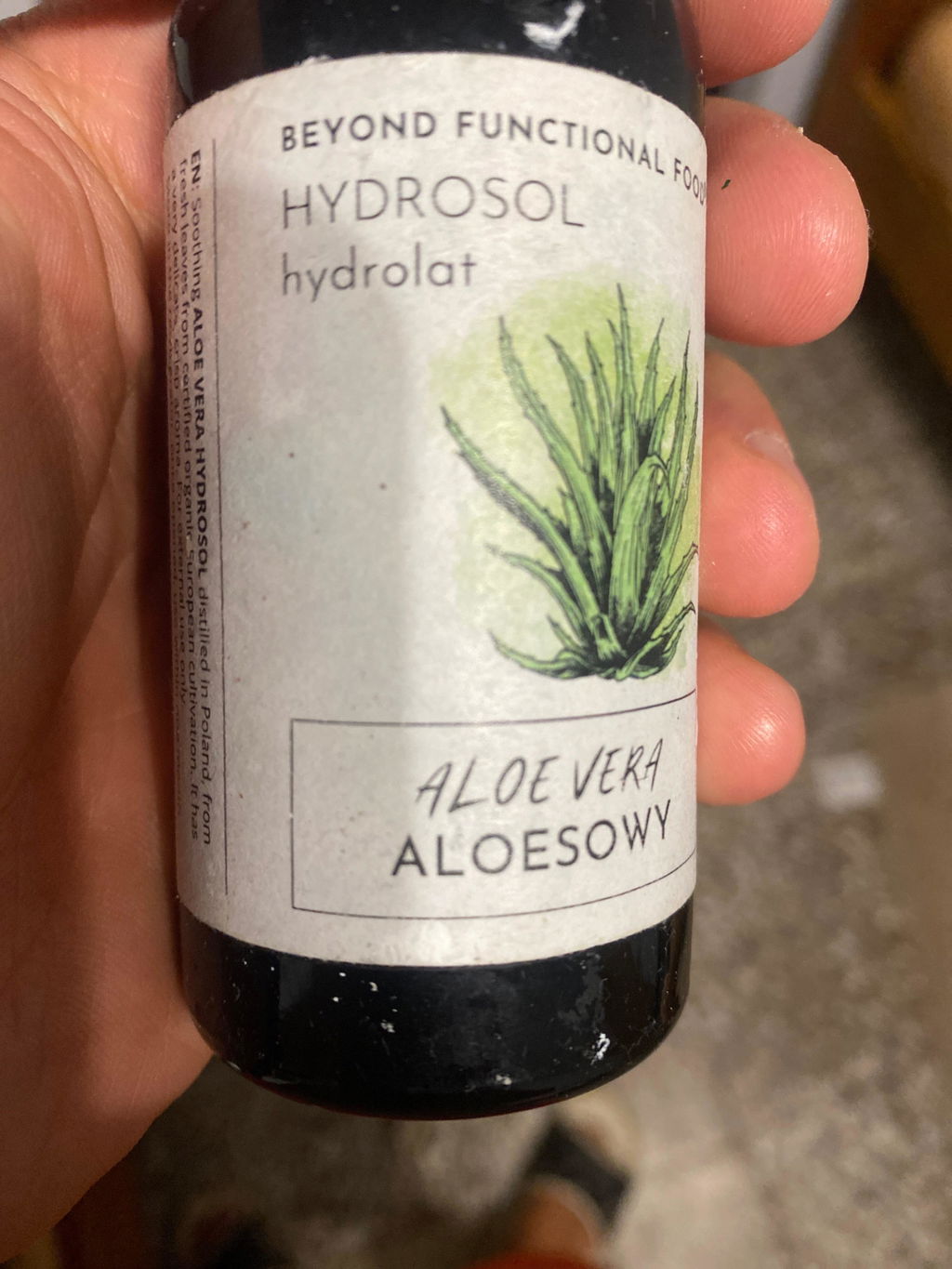
Bardzo dobrze nawilża,skóra jest promienna i nie wysusza
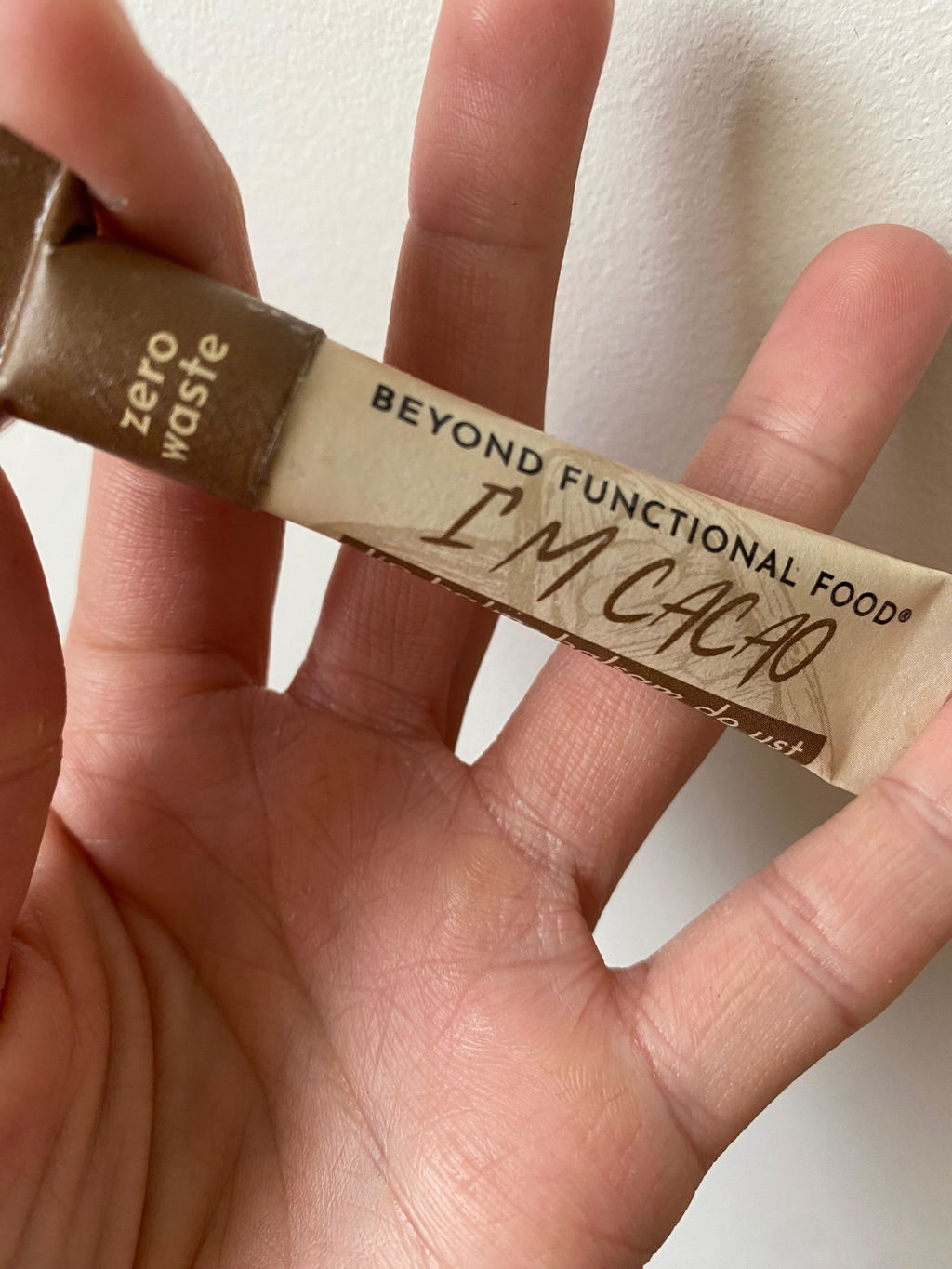
Stosowałam WIELE produktów do pielęgnacji ust i ten wygrywa 💛 Pięknie smacznie pachnie, dobrze radzi sobie z przesuszonymi, zniszczonymi ustami, aż chce się go wysmarować w całe ciało ✨ Na lato postanowiłam przełożyć go do mini pudełeczka ze stali, ponieważ w upalne dni opakowanie zagina się pod wpływem ciepła, ale to tylko mikro mankament 🙏🏻
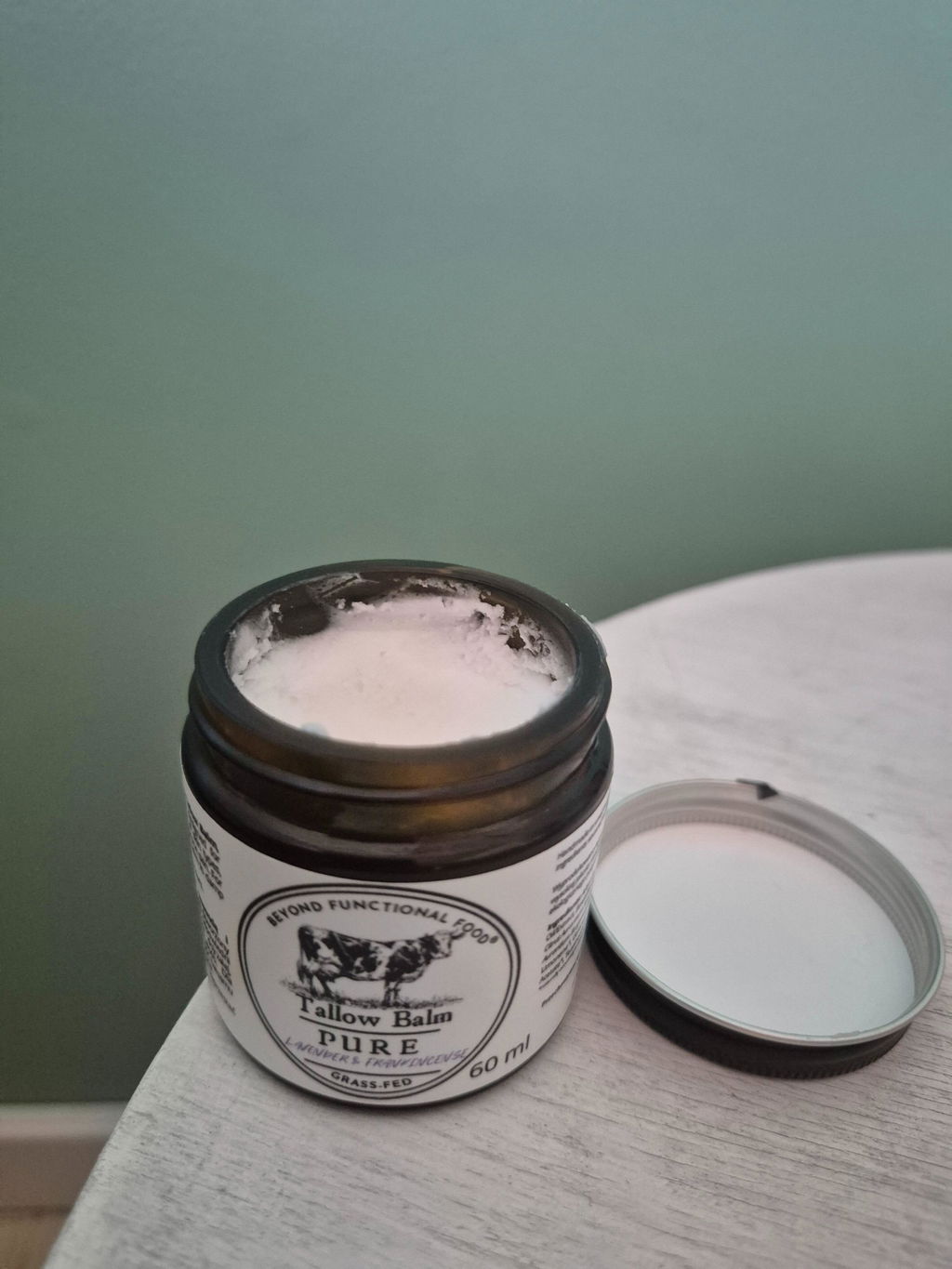
This is by far the best tallow cream I've used! I love the lavender- frankincense scent. I only don't like the price 😉 but small jar goes a long way
P s not sure why the website error didn't allow me to rate 5*
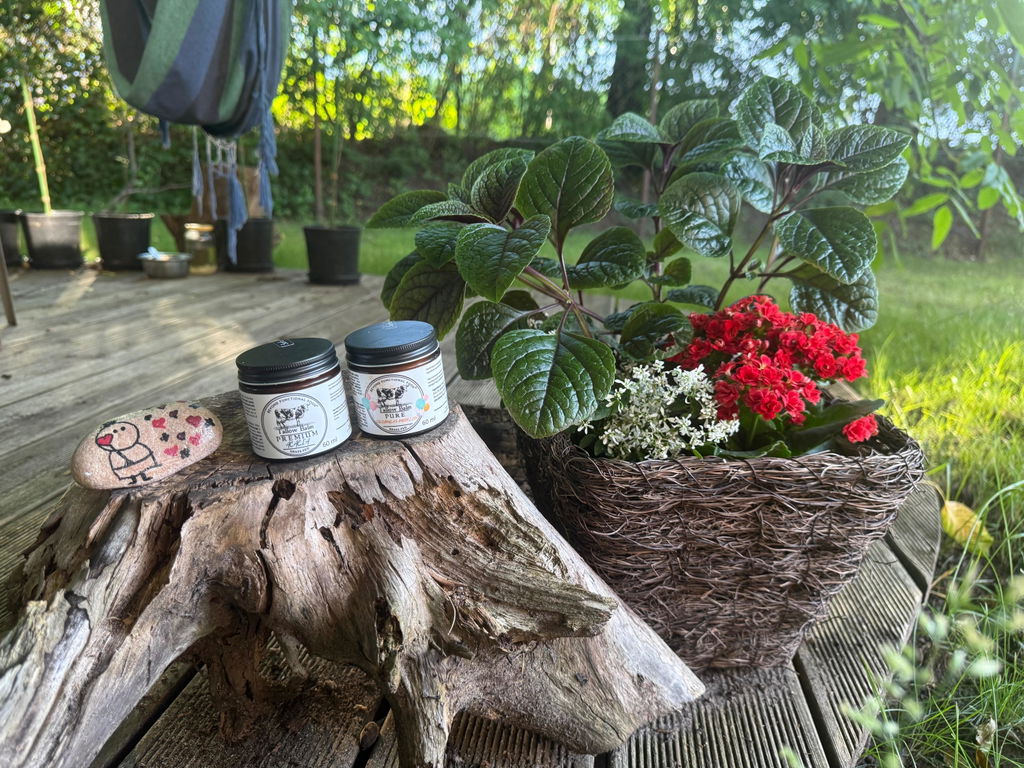
Fantastycznie puszysty krem, otula ciało niczym aksamit! Jest cudownie miękki, wspaniale się rozprowadza, nawilża i czyni skórę gładką i miękką na cały dzień.
Dodatkowo dostałam wspaniały gratis w postaci jubileuszowego kremu, którego już zabrakło w sprzedaży! A jestem od niego zależna ze względu na problemy skórne!
Tylko w BFF taka troska o klienta! Dziękuję pięknie!
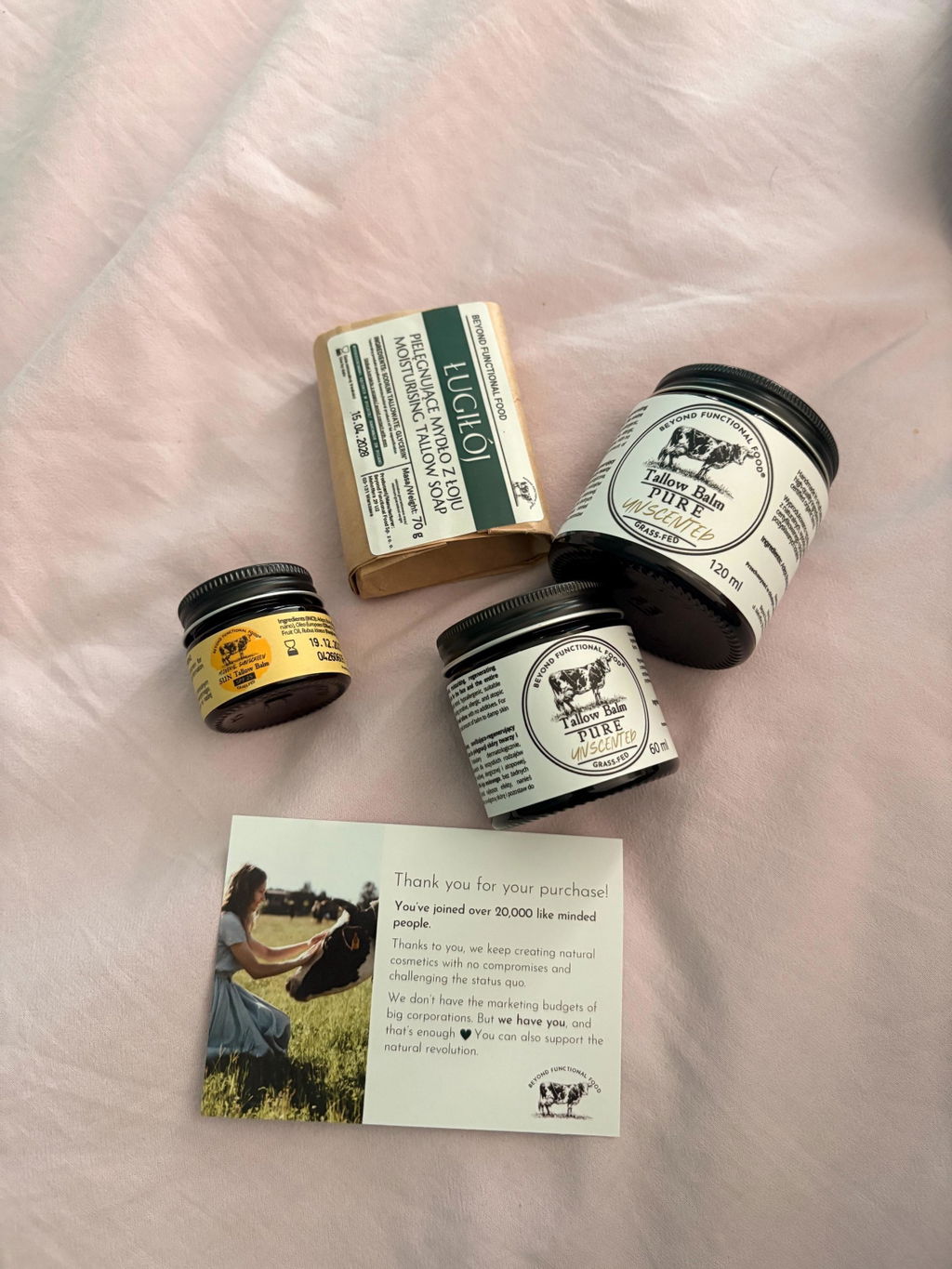
Vraiment le savon est sublime, et j’ai reçu un petit cadeau une petite boîte de crème solaire après je pourrai pas l’utiliser parce que il a une infini blanc et j’ai la peau foncé donc ça va être compliqué mais à part ça je suis satisfaite de tout ce que j’ai commandé chez eux
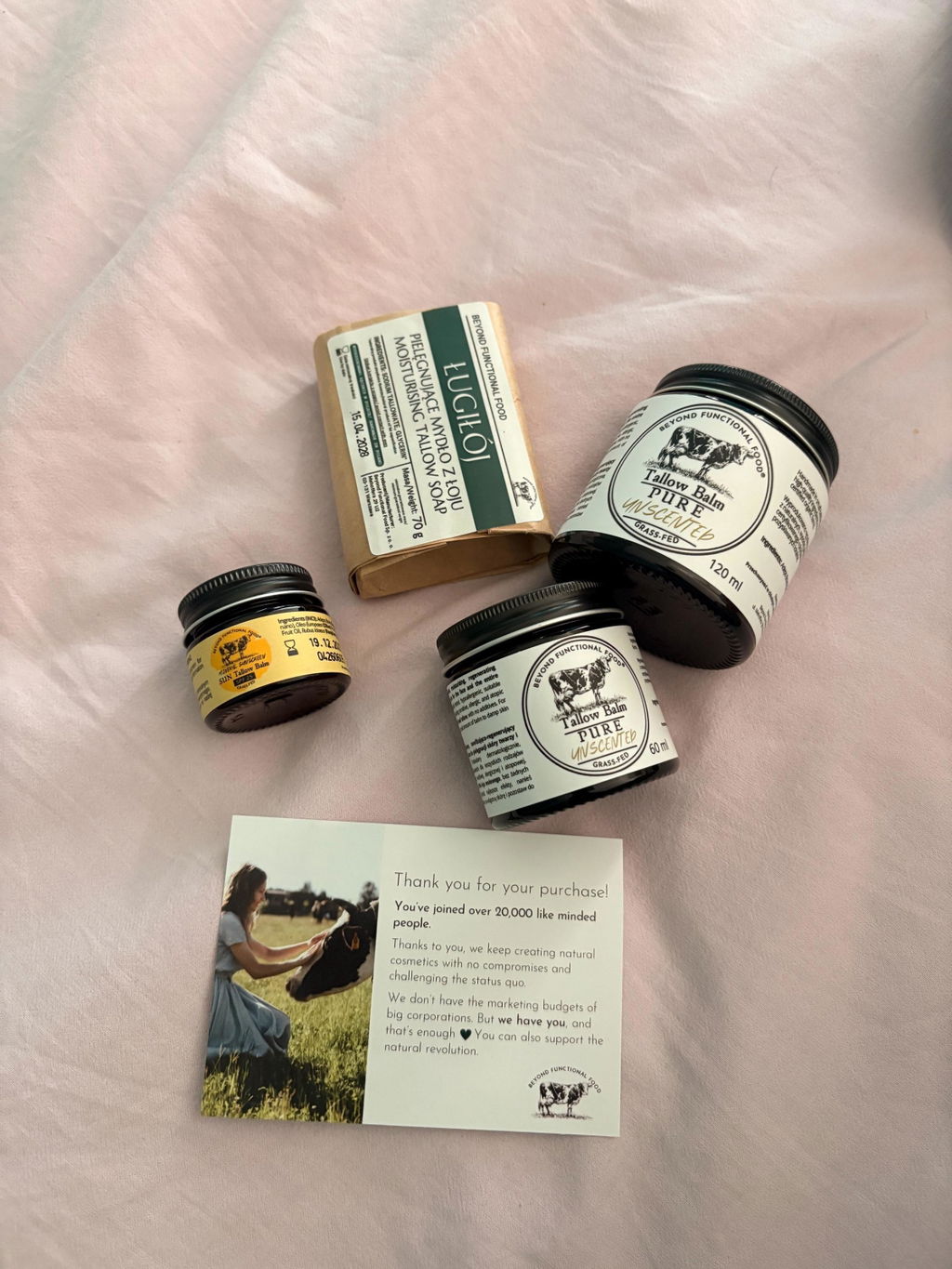
En tout cas j’ai rien à dire c’est toujours au top, c’est ma troisième commande et je suis pas déçu
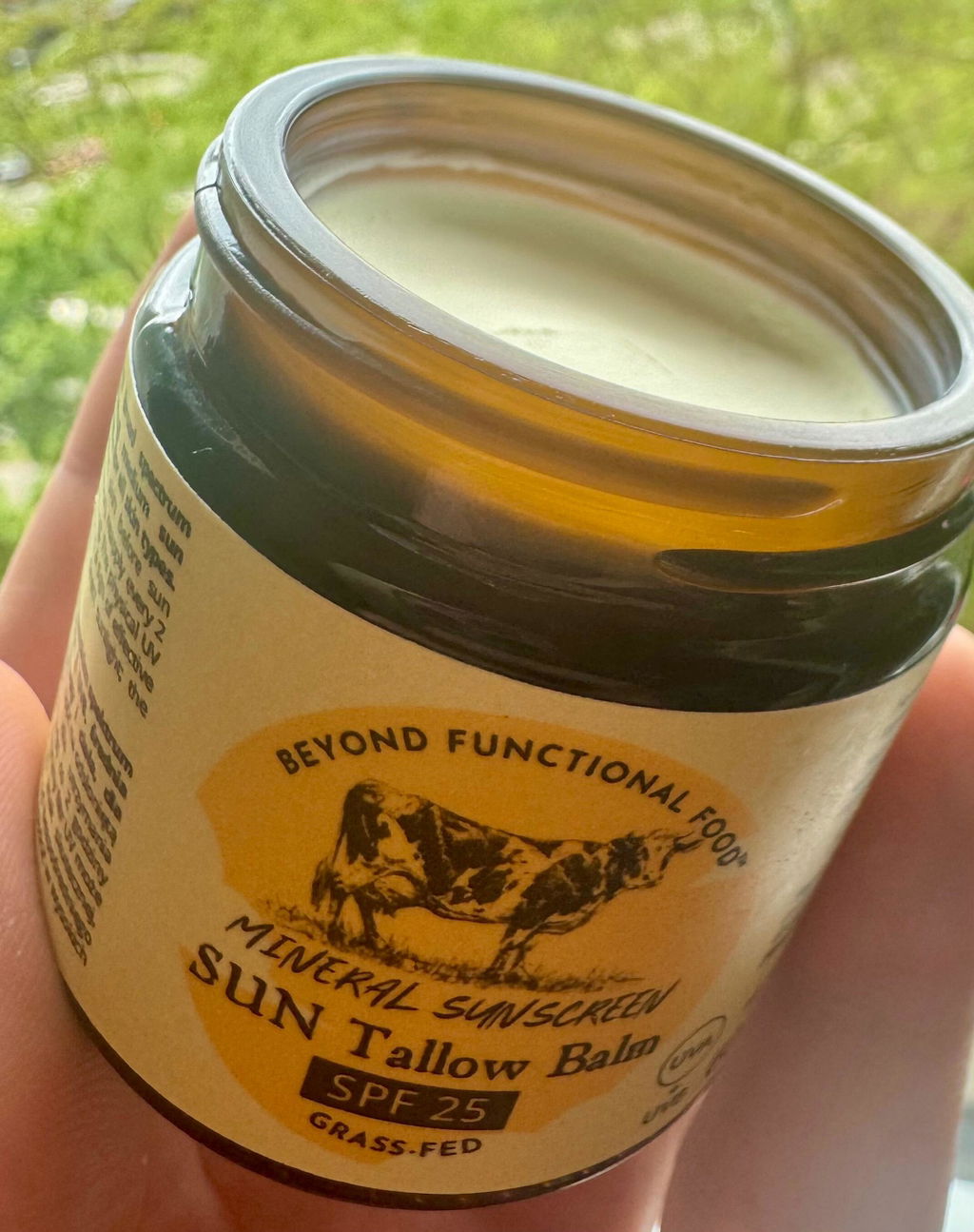
Dobry balsam ochronny p. UV - nie za słaby, nie za mocny. Pierwszy taki, który sprawia, że skóra opala się od razu na złoto. Na rynku są balsamy ochronne, które albo wcale nie chronią - skóra jest czerwona od poparzeń, albo chronią za bardzo i trzeba słońca Brazylii aby dobrze wyglądać.
Ten sprawia, że zdrowo się opalasz w Polskim klimacie. Produkt jest bardzo wydajny.
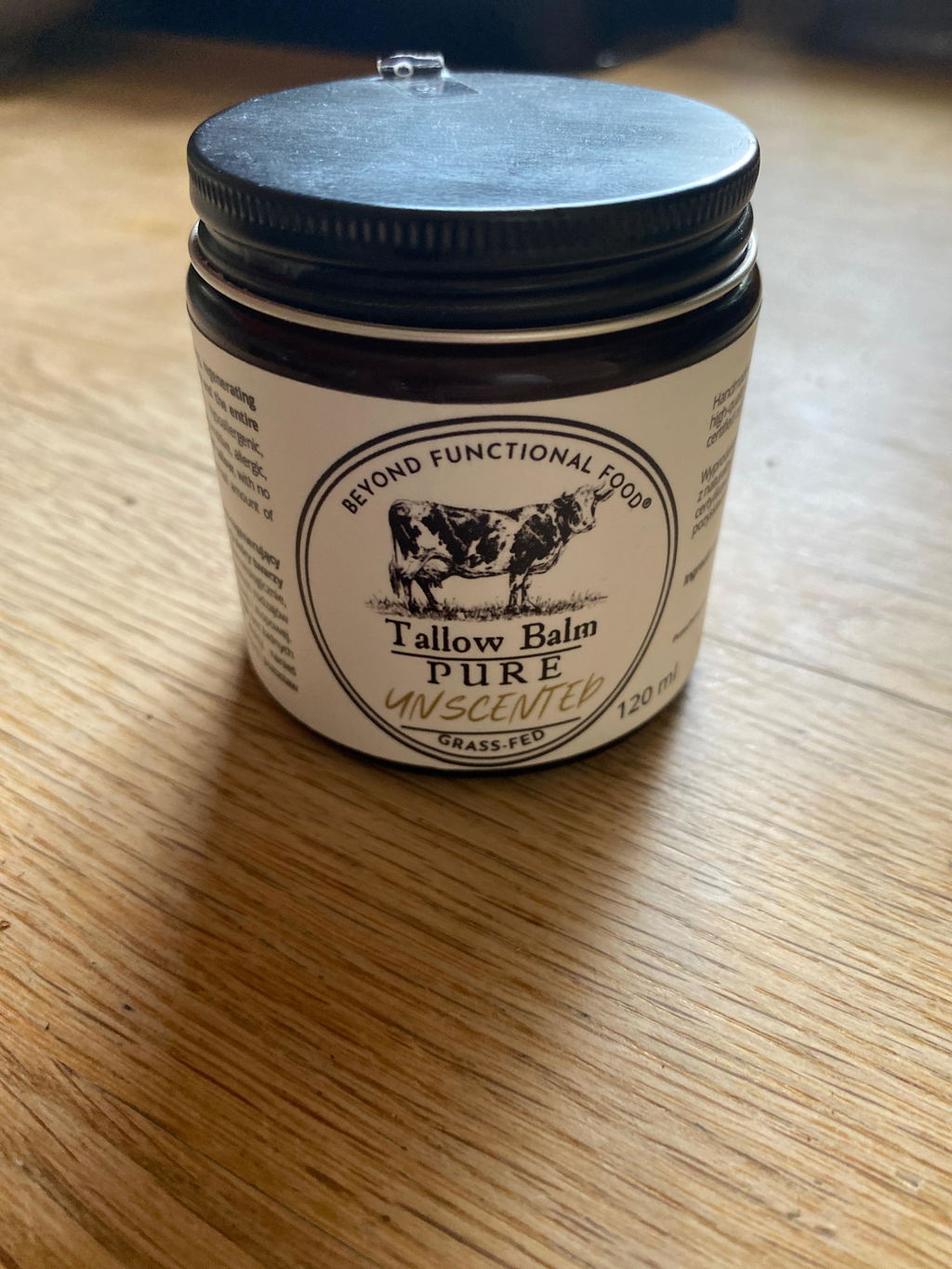
Super krem, używam go już po raz kolejny. Na początku śmiali się ze mnie w domu, że łój wołowy smaruje na ciało, a później wszyscy zaczęli go używać :)
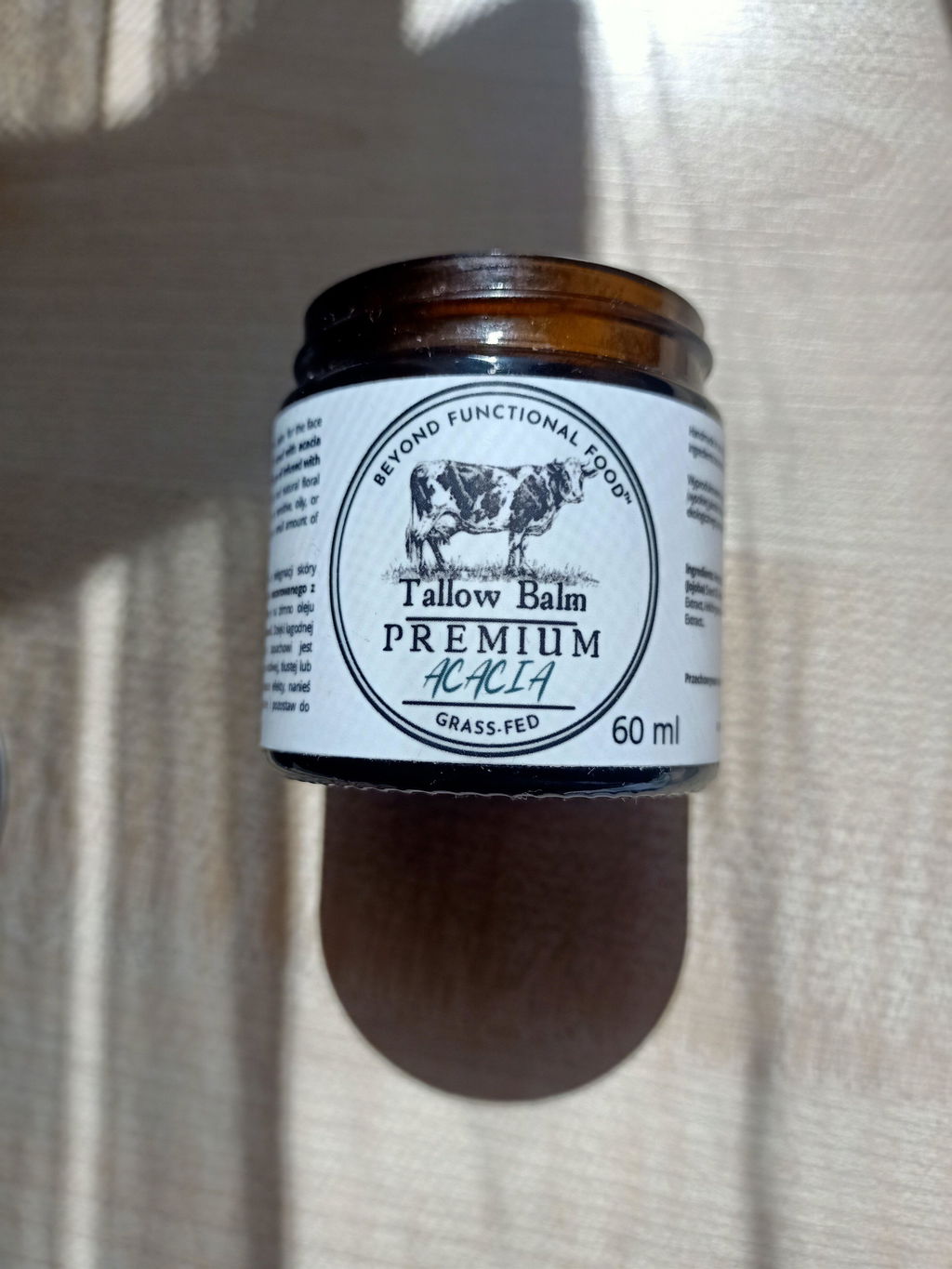
Mam suchą skórę i nie jestem fanką nakładania kremów, aż do teraz! Ogromne zaskoczenie jak przyjemne może być dla skóry uczucie gdy zostanie dogłębnie nawilżona. Krem ma przyjemną konsystencję, szybko się wchłania pozostawiając skórę przyjemnie nawilżoną. Zapach nie jest intensywny i idealnie komponuje się z hydrolatem różanym. Doświadczenie jest tak przyjemne i otulające, że pielęgnacja stała się przyjemnym rytuałem <3
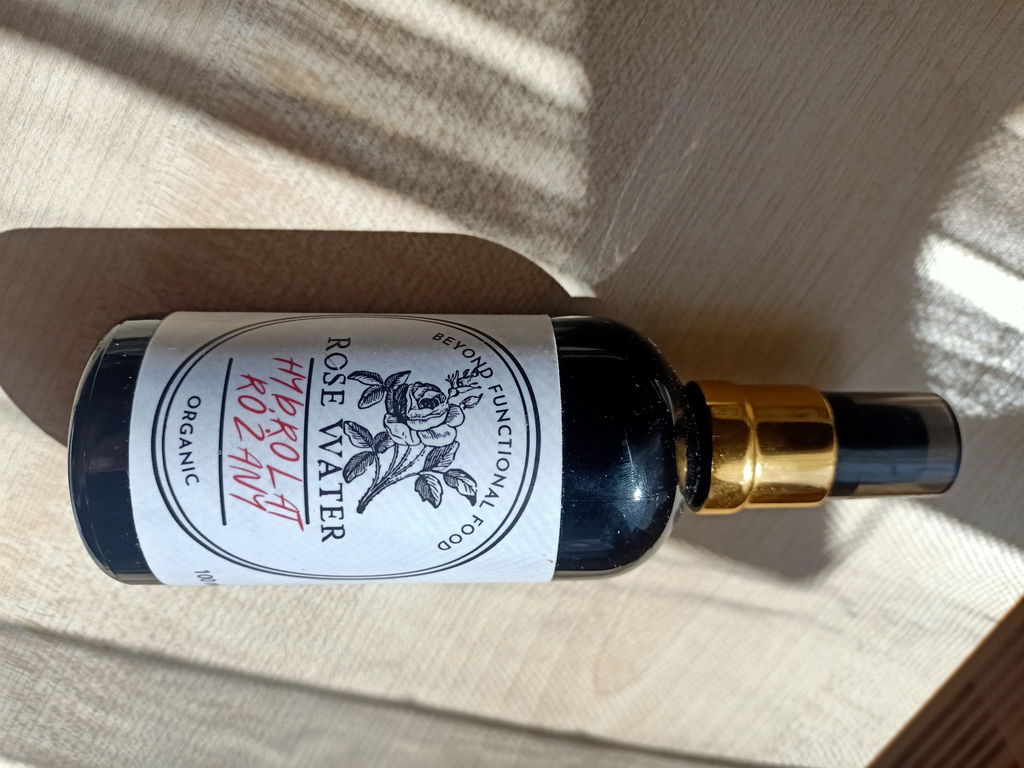
Bardzo przyjemny, otulający zapach różany <3 idealnie sprawdza się jako mgiełka jak również jako nawilżenie skóry przed nałożeniem kremu. Produkt bardzo wydajny, starcza na długo, dodatkowym plusem jest szklana ciemna buteleczka.
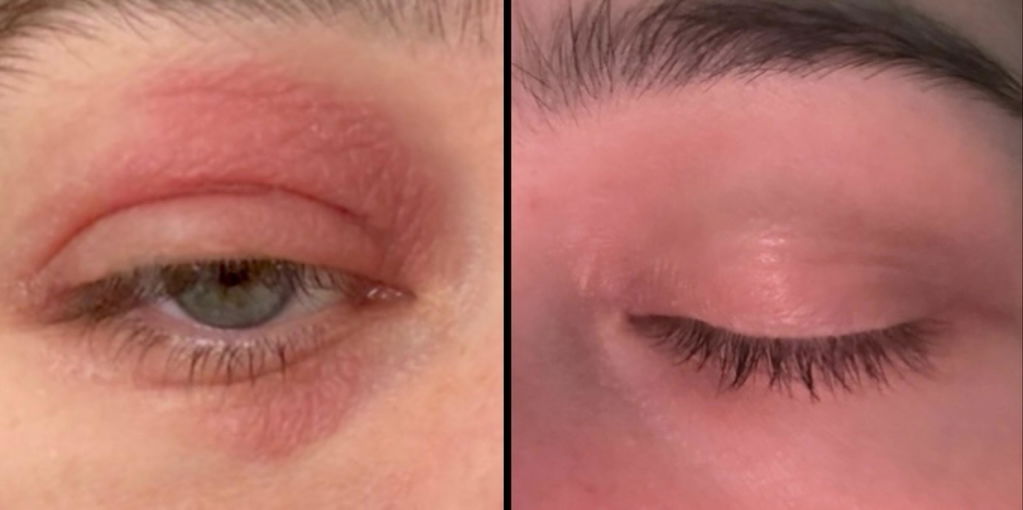
À cause de problèmes de santé j’ai tellement de problèmes de peau, surtout au niveau de mes paupières, ultra fragiles et qui ne supportent absolument rien même pas les produits de pharmacie spécialisés dans les paupières sensibles et même les huiles végétales de grandes qualités ne peuvent rien pour moi, et depuis que j’utilise ce beef tallow j’ai une peau et des paupières incroyablement apaisée, douce et en pleine forme. Après avoir dépenser une fortune pour tester toutes sortes de solutions, je peux affirmer que c’est le seul et unique produit que j’arrive à mettre directement sur mes paupières et qui me fait me sentir immédiatement bien, vraiment, le seul.
J’ai déjà fait plusieurs commandes et je viens d’en refaire une autre.
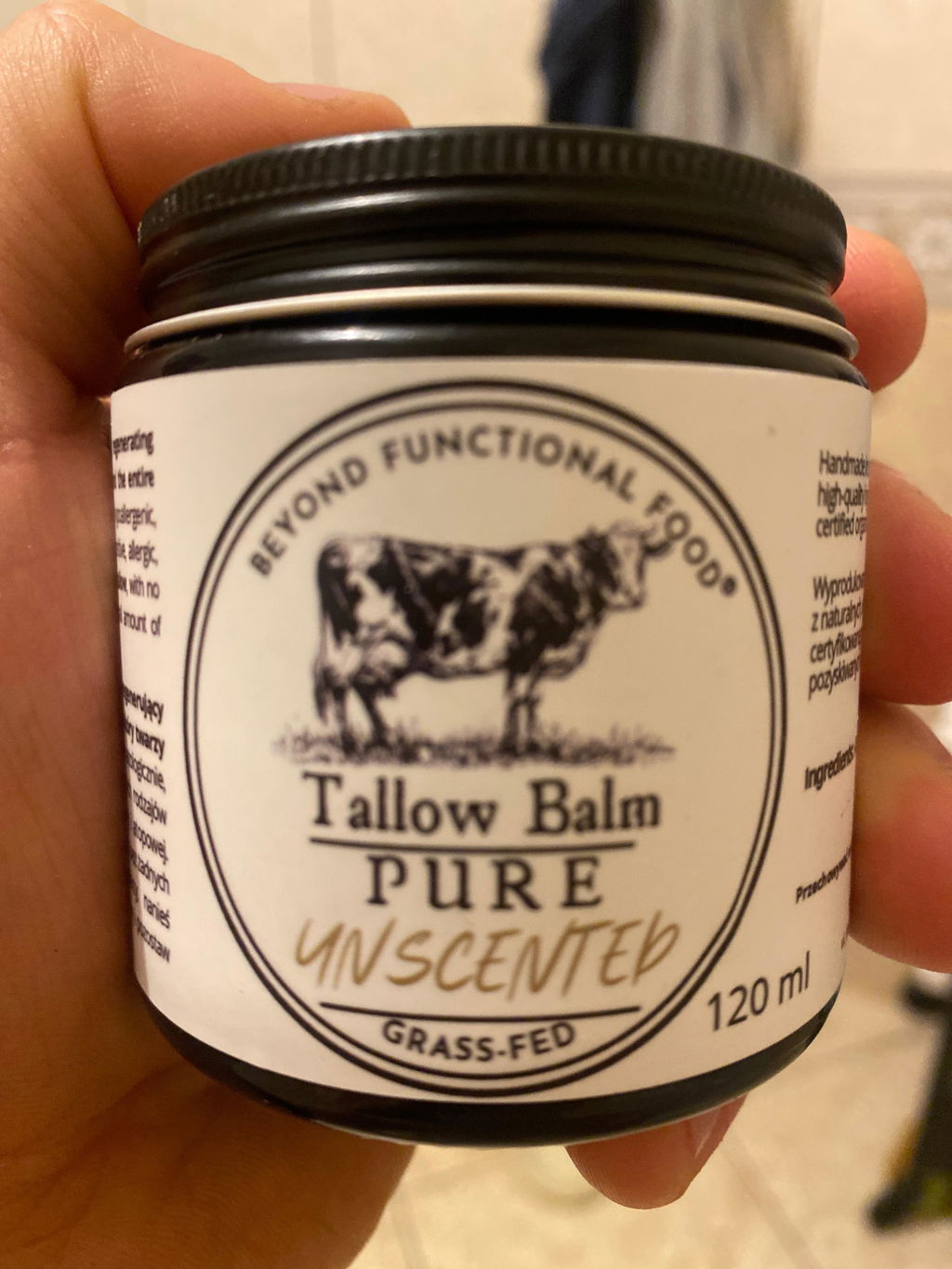
Świetnie nawilża skórę,stosuje już od tygodnia.Skora nawilżona i promienna.Dziala cuda! Miałem wiele wcześniej kremów,ale ten jest z prostym składem i przede wszystkim naturalny i nie kupie już innego kremu do twarzy.Polecam!!!
Naturally, you may have questions
Why aren't you a vegan brand if you care about the environment?
Vegan does not automatically mean better for the environment. Both plant based and animal based ingredients can be sourced in ways that harm ecosystems and biodiversity.
Animal based ingredients are not a problem in themselves. The real problem is a lack of transparency, responsibility and care for animal welfare. That is why the origin of an ingredient and the way it is sourced matter far more to us than a vegan label.
If you use animal ingredients, how can your products be cruelty free?
Animal testing of cosmetics is already banned across the EU. That ban is the real reason behind the familiar bunny symbol, so it reflects a legal requirement rather than a brand choice or a genuine advantage.
The label says nothing about what a product is made of. It only confirms that no animal testing took place, something every brand on this market already has to meet. Yet many still pay to display it, or use it without the right to, just to market a baseline as if it was a virtue.
We see it differently. Ethics is not something you add to a product. It is the foundation.
What's wrong with synthetics if they're legally allowed in cosmetics?
Legal does not always mean good for your skin or for the planet. Being allowed in cosmetics only means an ingredient is considered safe under certain conditions and concentrations, not that it is the best choice for the skin or the environment.
Many synthetics are cheap, easy to manufacture at scale and convenient for the industry, which is often why they end up in a product. We prefer ingredients the skin recognizes and knows how to use, rather than ones chosen mainly to cut costs or extend shelf life.
How do you know your products are truly natural?
We don't rely on a gut feeling or a claim on the label. We follow the ISO 16128 standard, which clearly classifies every ingredient as natural, naturally derived or synthetic. Since we use no synthetics, the word natural carries a measurable meaning here.
Is natural always better than synthetic?
Not necessarily, and this isn't about fearmongering over ingredients. We chose to work only with natural ingredients, and we look closely at where each one comes from. The skin tends to do best with what is simple and close to its own nature. Synthetics can be cheaper and longer lasting, but they often leave a trace for years to come. That is not the path we have chosen.
Is a short ingredient list always better than a long one?
A short INCI isn't automatically better, but it asks more of us, because every ingredient has to be high quality and serve a clear purpose. Long ingredient lists often hide cheap fillers, preservatives and bulking agents. For us, a short list isn't a trend. It comes from a single decision: to keep only what truly belongs in the product.
What does it actually mean that the packaging "leaves no trace"?
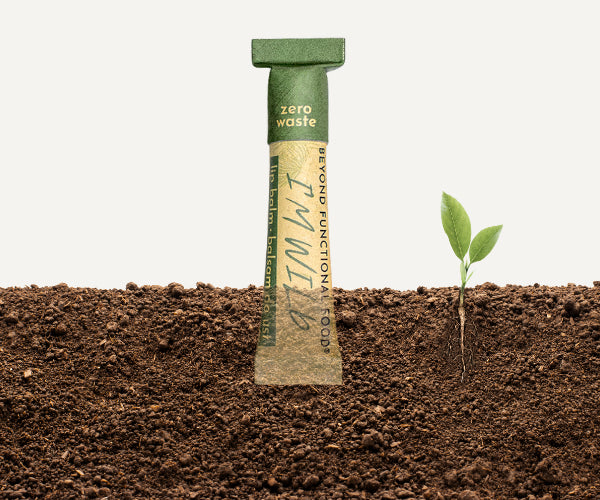
We mean it literally. Our lip balm packaging contains no plastic. Made from paper bound with casein from cow's milk, it fully breaks down in a home compost bin. For us, this is a natural extension of the same idea, responsibility at every stage, from the ingredients to the end of a product's life.